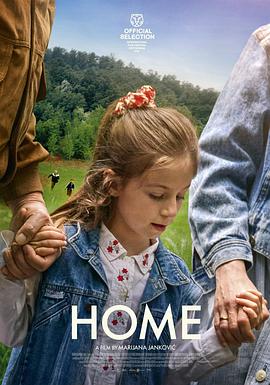
Through the eyes of a young girl uprooted from Yugoslavia to Denmark, we watch a family navigate a new world and rebuild their lives while holding on to what they left behind. Home speaks to belonging, sacrifice and the generations shaped by displacement.
Maja is six years old when most of her family moves from the Yugoslav SFR to Denmark, leaving her two brothers behind for the time being, waiting to follow the rest to the promised land. Denmark proves to be far from the welcoming haven they imagined. There is a new language to learn, new customs to navigate, new skies to understand. Did they really want to stay? Maja grows up in Denmark, builds a life and a career there as an artist, yet she cannot forget all that her parents left behind.
Actress-turned-director Marijana Jankovi? was the same age as Maja when her own family left Ivangrad (today Berane) for the European north, and that is only the most superficial similarity between the two. As two of her leading men, fellow Ivangradian Dejan ?uki? and Osijek’s one and only Zlatko Buri?, will surely know, the details of Maja’s or Marijana’s story may be specific, but the larger flow of things has remained the same across generations and countries of origin.




示例评论
示例评论
故事里值得讨论的问题为观影后的交流留下了空间。愿意静下心来观察,就可能发现新的层次。
示例评论
镜头的停留与转场值得多一点耐心和关注。认真倾听不同的观感,比简单争论更有收获。
示例评论
人物关系的变化往往需要连同整体氛围一起感受。看故事之外,也可以想想人物为什么会这样选择。
示例评论
配乐和画面的配合可以带着问题再回味一下。每个人关注的地方不同,这正是交流的乐趣。
示例评论
叙事节奏的起伏不妨和整体的叙事放在一起看。能引发思考的话题,总值得多聊几句。
示例评论
画面中的色彩变化给理解故事留出了余地。看故事之外,也可以想想人物为什么会这样选择。