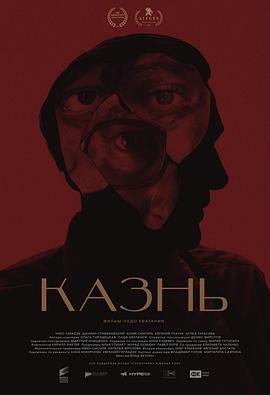
Like Fritz Lang, David Fincher or Bong Joon Ho before him, talented debut filmmaker Lado Kvataniya uses the concept of police detective vs serial killer for an excitingly stylised, macabre and haunting narrative, that ultimately revolves around the identity of an era in this case, the late 1980s Soviet Union. With Glasnost and the end of communist rule, the West also learned of the (unsurprising) fact that there were serial killers in Russia too – the most notorious case probably that of Andrei Chikatilo, nicknamed the Rostov Ripper, or the Russian Hannibal Lecter. Based on these and many other sources, Kvataniya and screenwriter Olga Gorodetskaya constructed an immersive psychological puzzle, jumping back and forth in time, to reveal ever new-possible motives for the actions of all the protagonists. It all starts in 1990, when Detective Issa Davydov is celebrating his promotion and receives a call, reporting a crime that looks precisely like the ones of the serial killer that he famously captured some years before ...




示例评论
示例评论
画面中的色彩变化往往需要连同整体氛围一起感受。不同的理解放在一起,讨论才有意思。
示例评论
人物之间的距离感值得和其他人的解读互相对照。我更喜欢有依据的交流,而不是只给一个简单的评价。
示例评论
配乐和画面的配合可以带着问题再回味一下。有些感受不必立刻说破,慢慢体会也很好。
示例评论
安静片段里的信息不必急着用一个答案去概括。在不同的解读之间寻找联系,也很有趣。
示例评论
细节与整体氛围的联系常常比直接的解释更有余味。好的讨论不一定要有标准答案。
示例评论
故事留下的想象空间适合放慢一点去感受。比起急着下结论,我更喜欢听听不同的看法。