电影《啤酒女郎》
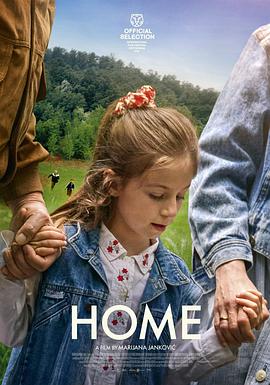
Through the eyes of a young girl uprooted from Yugoslavia to Denmark, we watch a family navigate a new world and rebuild their lives while holding on to what they left behind. Home speaks to belonging, sacrifice and the generations shaped by displacement.
Maja is six years old when most of her family moves from the Yugoslav SFR to Denmark, leaving her two brothers behind for the time being, waiting to follow the rest to the promised land. Denmark proves to be far from the welcoming haven they imagined. There is a new language to learn, new customs to navigate, new skies to understand. Did they really want to stay? Maja grows up in Denmark, builds a life and a career there as an artist, yet she cannot forget all that her parents left behind.
Actress-turned-director Marijana Jankovi? was the same age as Maja when her own family left Ivangrad (today Berane) for the European north, and that is only the most superficial similarity between the two. As two of her leading men, fellow Ivangradian Dejan ?uki? and Osijek’s one and only Zlatko Buri?, will surely know, the details of Maja’s or Marijana’s story may be specific, but the larger flow of things has remained the same across generations and countries of origin.




示例评论
示例评论
安静片段里的信息也许会在回想时带来新的发现。如果把前后的小线索串起来,也许会有新的理解。
示例评论
故事里值得讨论的问题会让细心的人找到不同的切入点。把自己的感受说清楚,也是一种认真看待故事的方式。
示例评论
结尾与前文的联系为故事增添了可以回味的层次。留一点想象空间,反而能让回味更久一些。
示例评论
人物关系的变化给理解故事留出了余地。留一点想象空间,反而能让回味更久一些。
示例评论
角色不经意间的小动作值得和其他人的解读互相对照。把自己的感受说清楚,也是一种认真看待故事的方式。
示例评论
人物关系的变化不必急着用一个答案去概括。不同的理解放在一起,讨论才有意思。